B2B E-commerce Google Ads + Offline Sales Attribution
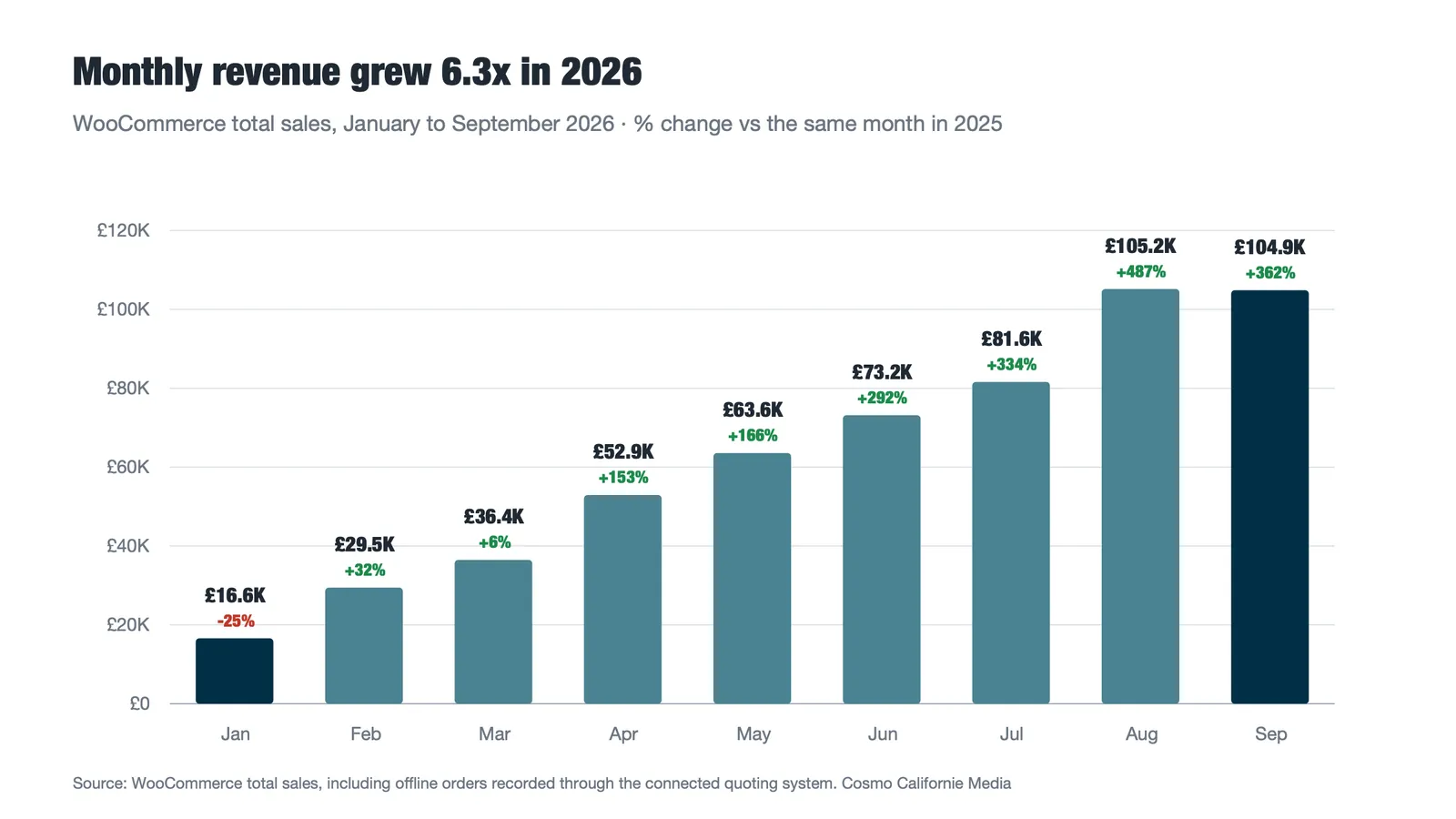
A UK B2B ducting supplier on WooCommerce grew monthly sales 6.3x in 2026, from £16,586.95 in January to £104,851.24 in September, after Cosmo Californie Media took over its Google Ads in December 2025. We built dedicated campaigns for the products the company manufactures itself, counted quality calls and quote requests as conversions, and connected the offline quoting system to WooCommerce so 93% of orders could be matched to the ad that started them.
- Client
- UK B2B e-commerce ducting supplier (not named)
- Industry
- Building products, HVAC ducting
- Services
- Google Ads management, offline conversion attribution, landing page rework
- Period
- December 2025 to September 2026 (10 months)
- Tools
- Google Ads, Performance Max, WooCommerce, WhatConverts, attribution dashboard
- Reported in
- GBP, WooCommerce total sales and Google Ads online purchases
Challenges / Opportunities
A UK ducting supplier sells through a WooCommerce store, but most of its customers are businesses buying parts in large quantities. Those large orders, along with a clunky website, kept many buyers away from the online checkout. They called, emailed for a quote or walked in instead, the quotes were handled over email, and there was no CRM to keep track of any of it.
The company manufactures some of its products itself. That gives it faster turnaround than its competitors and its best margins, while still letting it price competitively. In the Google Ads account, those products had no campaigns of their own and sat inside one catch-all campaign with the rest of the catalogue. Before we started working on the account, the best return on ad spend it had shown for a given month was 1:1.
Google Ads could only see web purchases. A large order that started with an ad click and closed over the phone or by email never made it back to the campaigns, so they were judged and optimised on the smaller orders placed online.
We saw two opportunities. The first was to put budget behind the products where the business has a real edge. The second was to get offline orders into one system where they could be matched back to the ads that started them.
Client Results
- 6.3x monthly revenue: £16,586.95 (January 2026) → £104,851.24 (September 2026)
- 487% year-over-year growth in August: £105,176.71, against the same month in 2025. September was up 362%
- £563,793.76 in the first nine months of 2026, about 2.8x the same period of 2025
- 4.85 return on ad spend from online purchases alone (September 2026), estimated at 5.5–6.8 with offline sales included
- 93% of orders matched to their source: 271 of 292 orders in August, including offline orders
- New-caller inquiries doubled: 29 (May) → 59 (September), while cost per new inquiry fell from £200 to £133
Revenue figures are WooCommerce total sales, which include offline orders since the quoting system was connected. Google Ads figures count online purchases only.
The Work We Did / Lessons Learned
Product audits first. We took over the account in December 2025 and started by auditing the catalogue for the products worth pushing, judged on return on investment. That covered lower order value items the client wanted to keep selling as well as higher order value ones. From May we repeated the analysis every month over the last 60 and 90 days, trimming low-return products and putting budget behind the ones trending up.
Campaigns built around the products they make. We took the self-manufactured products, spiral and rectangular ducting, out of the catch-all campaign and gave them dedicated campaigns with their own budgets. With the best margins, fast turnaround and a competitive price, they're the products the business is best placed to win on, and they became the main driver of the revenue growth. Spiral and rectangular ducting run in their own Shopping campaign alongside trending products, and rectangular ductwork straight lengths got new landing pages and their own Performance Max campaign in February. In the first days its click-through rate was 3%, against about 1.5% for other products, and in March it averaged £1,008.98 per order. In September, with one large order among its sales, it brought in £8,945.65 in online revenue on £1,066.85 of spend.
A smoother site for the top sellers. In January, 94% of the leads from Google Ads were phone calls. We reworked the pages of the most-ordered products so they were easier to buy from. Fewer visitors dropped off, and fewer buyers needed to call before ordering online, which took pressure off the office staff and let us scale ad spend.
Qualified leads valued alongside purchases. The business is a blend of lead generation and e-commerce, but the account had been run as a pure e-commerce account that only counted store purchases. We started counting quality phone calls and quality web form leads as conversions too, each valued at the site's average order value divided by three until we could attribute offline sales back to the click. That pushes the algorithm to bring in high-intent leads as well as online orders. We knew the value under-reported, since most calls are worth more than the site's average order, but it was enough to steer bidding the way we wanted.
First-time callers only. From May we applied the same first-time caller filter we set up for a local medical practice, so leads are reported as unique callers whose numbers had never called the business before. Repeat calls from existing customers stay out of the count, so the number shows new business coming in.
Offline quotes connected to the store. We worked with the client to sync their entire offline quoting system with WooCommerce, so orders that close off the website are recorded alongside web orders. Proforma invoices got fields for the buyer's phone number and email, so each quote can be matched against the calls and forms tracked in WhatConverts and updated with its real value.
Attribution across online and offline sales. WooCommerce orders feed an attribution dashboard that ties each sale back to its source. In August it matched 271 of 292 orders, covering 88% of net sales and 66% of total sales. Most of the gap is offline orders, which is also how the self-manufactured products often sell. Many buyers call from a mobile instead of their company's main line, which makes the match harder, so we're now working with the client to include the buyer's email in every quote.
Remarketing once the base was in place. In July spend rose to about £7,000 a month, weighted toward the campaigns with the best return, and we launched a remarketing campaign to all website visitors at £10–15 a day. It returned 3.24 in its first month and 4.15 in its second.
The main lesson is that a B2B store can't judge its ads on web purchases alone when its largest orders close by phone, by email or in person. The products that drove most of this growth are the ones that most often sell offline, so the ad account still under-reports them. Every quote that carries the buyer's details closes more of that gap and lets bidding learn from the large orders as well as the small ones.
Results & Lasting Benefits
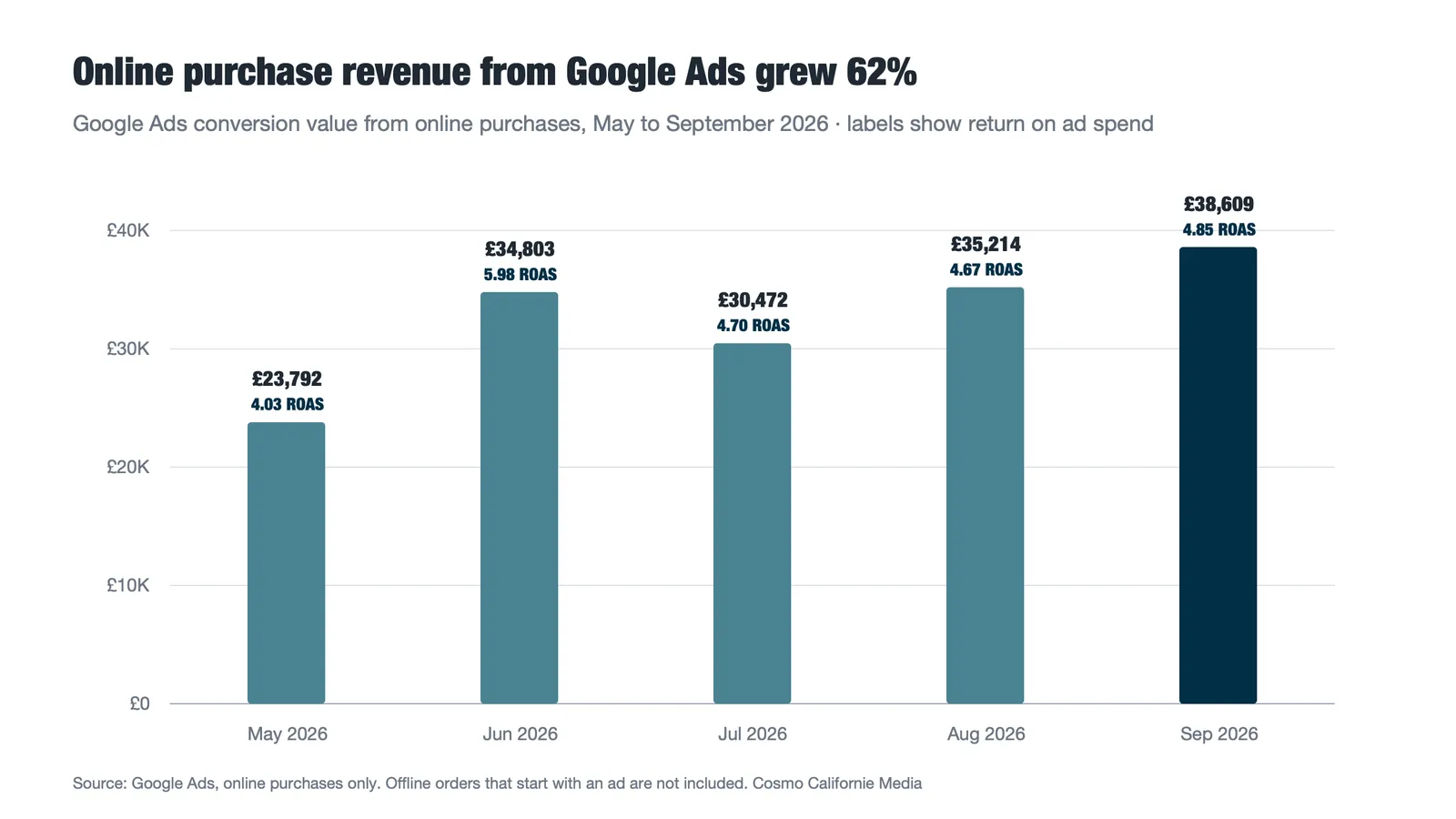
Ad spend grew 2.5x, from £3,248 in January to £7,962.60 in September, while the office handled a similar workload to before. From May onward, return on ad spend from online purchases stayed between 4 and 6:
| Month (2026) | Online purchase revenue (Google Ads) | Return on ad spend | Online purchases | New-caller inquiries |
|---|---|---|---|---|
| May | £23,791.67 | 4.03 | 113 | 29 |
| June | £34,802.85 | 5.98 | 140 | 31 |
| July | £30,471.56 | 4.70 | 156 | 50 |
| August | £35,214.46 | 4.67 | 155 | 59 |
| September | £38,608.64 | 4.85 | 127 | 59 |
These figures count online purchases only. The self-manufactured products often sell through offline orders, so the real return is higher, and with offline sales included September's return on ad spend comes to an estimated 5.5–6.8.
Across the business, WooCommerce total sales went from £16,586.95 in January to £104,851.24 in September, and August and September were up 487% and 362% on the same months of 2025. The first nine months of 2026 brought in £563,793.76. The client now sees online and offline orders in one place, matched to the ads that started them, and each quote that includes the buyer's email gives the campaigns more to learn from.
If your biggest orders close by phone or email and your ads only get credit for the small ones, shoot me a message and we can map out how to connect the two.
Book a CallQuestions about this case study
What changed in the Google Ads account to grow revenue 6.3x?
Three things did most of the work. We took the spiral and rectangular ducting the company manufactures itself out of a catch-all campaign and gave them their own campaigns and budgets, since those products have the best margins and the fastest turnaround. We reworked the product pages of the top sellers so fewer buyers had to call before ordering. And we started counting quality phone calls and web form leads as conversions, valued at the site's average order value divided by three, so bidding learned from high-intent leads as well as online orders.
How do you attribute offline orders to Google Ads?
The client's offline quoting system was synced with WooCommerce, so orders that close by phone or email are recorded next to web orders. Proforma invoices carry the buyer's phone number and email, which lets each quote be matched against the calls and forms tracked in WhatConverts. An attribution dashboard then ties each sale back to its source. In August 2026 it matched 271 of 292 orders, 88% of net sales.
Is the 4.85 return on ad spend the full picture?
No, and the page says so. The 4.85 counts online purchases only, from £38,608.64 of Google Ads revenue in September 2026. The products that drove most of the growth often sell through offline orders, so the real return is higher. With offline sales included, September's return on ad spend comes to an estimated 5.5 to 6.8.
How much did ad spend increase?
Spend grew 2.5x, from £3,248 in January 2026 to £7,962.60 in September, while the office handled a similar workload to before. From July the spend was weighted toward the campaigns with the best return, and a remarketing campaign to all website visitors ran at £10 to £15 a day, returning 3.24 in its first month and 4.15 in its second.
Does this apply to a business that sells partly offline?
That is the situation this case study is about. A B2B store whose largest orders close by phone, by email or in person cannot judge its ads on web purchases alone, because the campaigns get judged and optimised on the smaller online orders. Counting qualified leads as conversions and feeding offline orders back into the account are the two steps that close that gap.
Working with us.
Let's figure out where your growth is getting stuck.
Book a discovery call with Sonny — a focused conversation about your business and where the opportunities are.
Book a Discovery CallMore case studies
Webinar Drops + Evergreen Automation Infrastructure
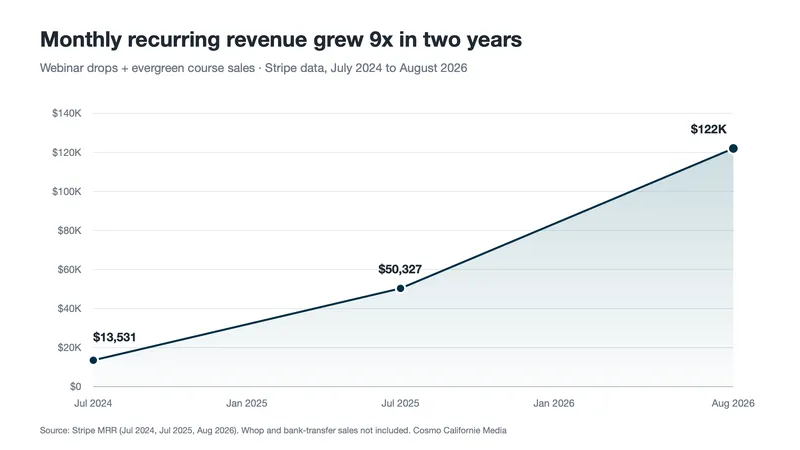
MRR grew from $13,531 in July 2024 to $122K in August 2026 for an online education business running quarterly webinar launches on nearly 30 tools.

Medical Agency SEM White Label
Red-flagged accounts fell from 22 to 3 while the medical agency's book grew from 71 to 98 Google Ads accounts.
Google Ads Optimization
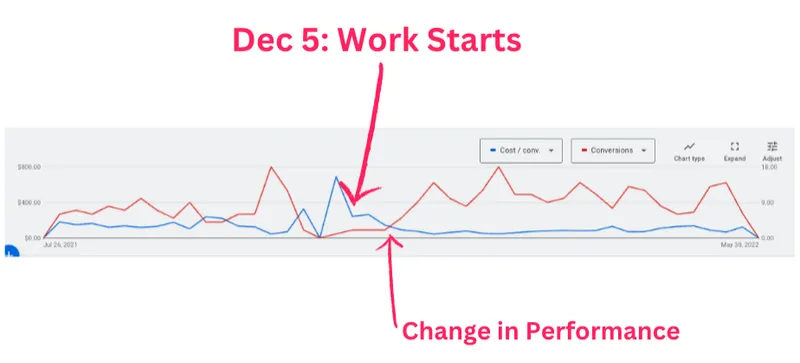
5.13x ROAS and 42.8% lower cost per lead for a medical practice with five offices across Dallas–Fort Worth.